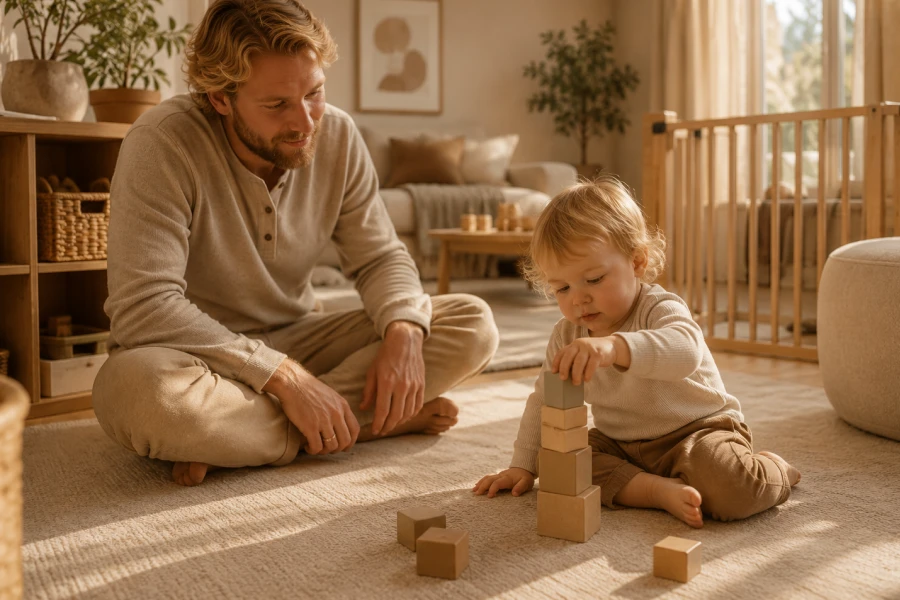
Toddlers learn through movement, repetition, and fearless curiosity. That is why toddler safety at home works best when it respects how children actually explore. A room that looks safe to adults may still offer dozens of interesting challenges. Toddlers climb, open, carry, taste, pull, and imitate. They are not trying to create trouble. They are discovering how the world responds to them. A smart safety approach gives them safer ways to practice those instincts. It also reduces the number of urgent no moments throughout the day. When the environment does more of the work, parents can focus more on connection. That is the quiet logic behind lasting home safety.
Curiosity is a strength, even when it makes parents nervous. Your toddler is learning cause and effect through every drawer, cabinet, and step. Instead of reacting only after they reach something unsafe, look for the pattern behind the behavior. Are they seeking movement, texture, attention, or independence? Create safe ways to satisfy that need. This can include low shelves with approved objects or a stable place to climb. Home safety routines for parents become more effective when they work with curiosity. Children learn boundaries more easily when the space gives clear alternatives. That makes everyday safety feel supportive rather than restrictive.
Busy routines can hide risks in plain sight. A diaper bag left near the sofa may contain items a toddler should not touch. A cup of hot coffee can become reachable during one quick phone call. Laundry baskets, stools, and open doors can transform into unexpected tools. Notice where your hands are full or your attention shifts. Those are the moments when familiar rooms need extra support. Use storage that closes quickly and keeps unsafe items out of reach. Keep frequently used objects in predictable places. A small routine change can prevent many repeat problems. Safety often improves most where habits are strongest.
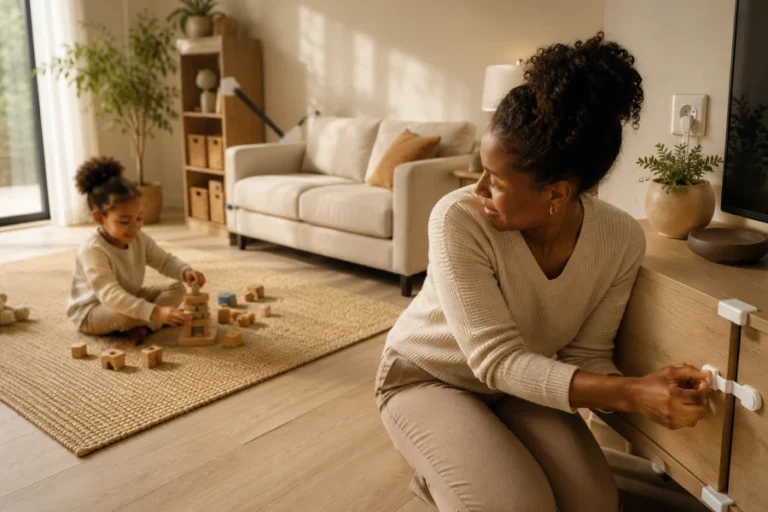
Verbal reminders matter, but physical boundaries are more dependable for young children. Toddlers cannot always pause before acting on an impulse. That is why locked cabinets, gates, and stable furniture are so valuable. They create a pause between curiosity and danger. Look for items your child can pull, climb, or open. Pay close attention to anything that becomes more tempting with repetition. Toddler hazard awareness helps you spot these patterns before they become daily battles. Give your child safe places to practice independence. A reachable boundary works better when it comes with something appropriate to explore nearby.
Complicated systems rarely survive busy mornings or tired evenings. Choose protections that are easy for adults to use every day. Put safety items where you need them, not where they look most organized. Keep cabinet latches simple enough that caregivers understand them quickly. Build brief safety checks into bedtime or cleanup routines. Make sure everyone knows where medications, chargers, and sharp objects belong. Nursery safety habits can become part of calm daily rituals instead of another task list. Consistency matters more than adding every possible device. A few well-used systems protect more than many forgotten ones. The easier safety feels, the more reliably it happens.
Many valuable updates are simple and inexpensive. Add a non-slip surface where your toddler stands near water. Move fragile decorations above climbing height. Secure furniture that could shift or tip. Keep doors closed when a room is not ready for exploration. Rotate toys so play areas stay easier to manage. Create a small basket for items that need to be moved quickly. Use it during transitions, then return things later. These adjustments reduce the pressure to react perfectly. They also make the home feel more prepared during ordinary chaos.
A toddler’s new ability can appear almost overnight. One week, they cannot reach a countertop. The next week, they are pushing a chair toward it. Revisit the home whenever you notice a new movement or skill. Look for climbing opportunities, opening mechanisms, and higher surfaces that are suddenly within reach. Update your safety plan before a risky habit becomes familiar. Safer playroom design should also change as your child’s imagination grows. Open floor space may matter more than extra toys. Stable storage may become more important than decorative furniture. Flexible safety evolves with your child instead of falling behind.
Safety does not need to become a constant stream of corrections. Offer choices whenever possible, then make the unsafe options harder to access. Show your child what they can do, not only what they cannot. Use calm language and repeat simple boundaries. Keep your own routines consistent so your child receives clear signals. Expect exploration, especially during new stages. A prepared home gives you more patience when it happens. It also lets your toddler build confidence through safer discovery. The goal is not perfect control. It is a home where curiosity has room to grow wisely.


Leave a comment