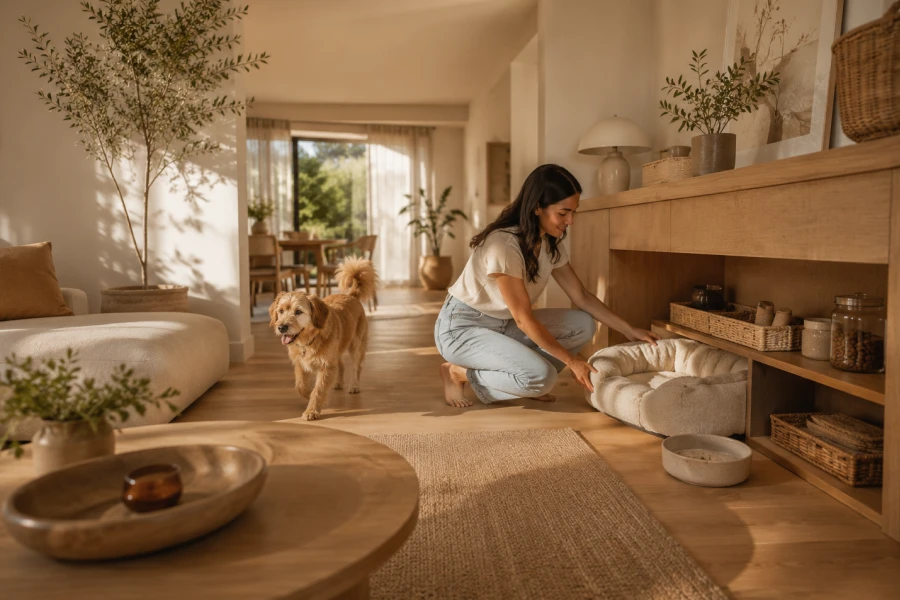
A dog can live inside a beautiful house and still feel unsettled. Floors echo, visitors arrive, meals change, and resting places disappear. A dog friendly home setup begins by noticing these ordinary moments. It considers scent, sound, movement, access, and predictable choices. Your goal is not to turn every room into a pet zone. Instead, create reliable places where your dog can settle. Small changes reduce friction before it becomes stressful behavior. They also make daily care feel less reactive for everyone. A thoughtful plan respects your dog’s personality and your actual routine. That balance creates comfort without making the home feel overmanaged.
Start by watching where your dog naturally chooses to rest. Notice which paths they take when someone enters or leaves. Observe whether they avoid slick floors, crowded corners, or noisy appliances. These patterns reveal more than any decorative trend. They show where your home already supports calm behavior. From there, you can create dog safe living spaces that work with your dog rather than against them. A quiet corner may matter more than an expensive new accessory. A clear walkway can feel safer than another toy basket. The best improvements often look simple from the outside. Yet they can make every part of the day easier for your dog.
Homes work best when people and pets can move without constant interruption. Think about busy areas such as hallways, kitchens, and entryways. Your dog should have a place to pause without blocking anyone. This does not require a separate room or elaborate redesign. It requires pet-friendly room planning that matches real household traffic. Place bowls away from crowded routes whenever possible. Keep leashes, towels, and grooming supplies near the places where you use them. Make storage easy enough that everyone follows the same system. When daily tools have clear homes, rushed moments become calmer. Your dog benefits because the household feels more predictable.
Rest is not a luxury for dogs; it is part of emotional regulation. A good resting zone feels protected without feeling isolating. It should offer a stable surface, comfortable temperature, and gentle distance from daily commotion. Avoid moving the bed constantly just to make a room look neater. Instead, consider dog resting area ideas that respect your dog’s preferred sightlines. Some dogs relax better near family activity. Others need a tucked-away space after walks or play. Give them access to both whenever your layout allows. The freedom to choose supports confidence. Over time, your dog learns that rest is always available.
Dogs experience rooms through their bodies before they understand household rules. A narrow path around furniture can feel stressful for a larger dog. A slippery hallway may discourage an older dog from following you. Rearranging one chair can make a meaningful difference. Keep frequently used routes open, especially near doors and sleeping areas. Avoid storing clutter where your dog already turns or pauses. Consider the height of tables, plants, cords, and breakable objects. Your dog should not need to navigate an obstacle course each day. Clear pathways also reduce accidental bumps and sudden corrections. Comfortable movement builds a sense of security without adding another command.
A lively home can still feel peaceful when stimulation has clear limits. Dogs do not need silence every hour of the day. They need recovery time after excitement, noise, visitors, and outdoor activity. That might mean closing a door during a delivery. It could mean lowering the television while your dog eats. Keep favorite toys available, but rotate extras instead of leaving everything out. Give energetic play a beginning and an end. Notice when your dog starts pacing, whining, or scanning the room. Those signs may mean they need fewer inputs, not more attention. Calm becomes easier when the environment offers a pause.
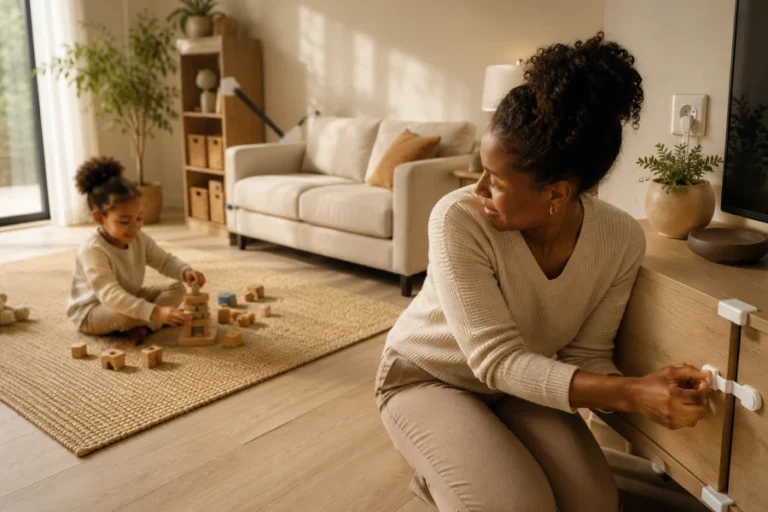
Safety works best when it becomes part of ordinary habits. Store cleaning products, medications, and small objects where curious noses cannot reach them. Check doors, gates, balconies, and open windows before assuming they are secure. Build home safety for dogs into the same routine as locking up at night. Keep emergency contact information easy to locate. Replace damaged toys before loose pieces create a problem. Pay attention to seasonal risks, including warm floors, holiday decorations, and visiting guests. These details do not need to create anxiety. They simply help you make safer choices earlier. Prevention feels gentler than managing an avoidable scare.
Your dog’s needs will change as routines, health, and household habits evolve. A puppy may need more boundaries than an adult dog. A senior dog may need softer surfaces and shorter routes. A newly adopted dog may need extra quiet before joining family activity. Revisit the layout after a move, schedule change, or major life event. Ask what currently feels difficult for your dog. Then adjust one area at a time instead of changing everything at once. Consistency matters more than perfection. A supportive home grows with the dog who lives there. That is what makes comfort sustainable rather than temporary.


Leave a comment