
Many parents begin safety planning after their baby starts moving. Preparing a safe home for a new baby is easier when it begins before that stage arrives. Early preparation creates time to notice patterns, organize supplies, and make calmer decisions. It also helps you avoid a stressful rush during an already demanding season. Newborns may not crawl or climb, but their needs reshape daily routines quickly. Feeding tools, sleep spaces, laundry, visitors, and tired evenings all change how a home functions. A thoughtful setup gives you more room to focus on care and connection. It does not require perfection or a complete redesign. It requires looking ahead with practical kindness. That attention makes later updates much easier.
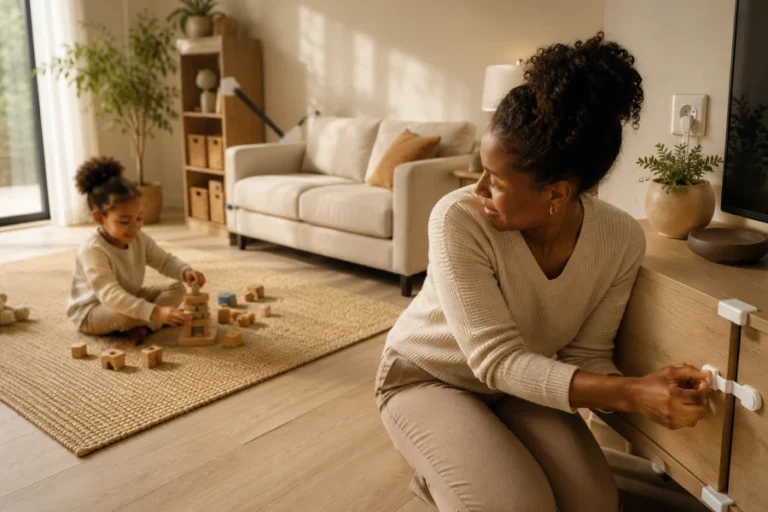
It can feel strange to childproof for movement that has not started yet. Still, early planning gives you time to make choices without pressure. Look at low storage, electrical cords, furniture stability, and sharp edges. Notice where you set bags, drinks, or cleaning products after a long day. These habits will matter more once your baby becomes mobile. Begin with everyday family safety practices that protect the whole household. Keep important items easy for adults to find. Store unsafe items in places that will remain secure later. Early preparation is less about predicting every risk. It is about building systems you can trust when life feels busier.
Before your baby arrives, notice which spaces already create friction. Is the entryway crowded with shoes and bags? Does the kitchen counter collect small objects? Are there unstable pieces of furniture in frequently used rooms? These details become harder to address when sleep is limited. Start by making daily pathways clearer and storage more intentional. Create simple homes for items you use repeatedly. Keep emergency supplies easy to access for adults. Remove clutter from floors and stairs where possible. Small improvements now can support a calmer transition later. A home does not need to look perfect to work beautifully for a growing family.
Safety grows through repeatable routines more than one-time projects. Decide where you will store medications, batteries, cleaning supplies, and small objects. Keep those choices consistent across the household. Use a clear process for returning items after use. Create a quick evening reset for high-use rooms. Build an adaptable child safety plan that can change as your baby learns new skills. Let caregivers know where important items belong. Keep safety products visible enough that adults actually use them. The goal is not to add more decisions to each day. It is to remove unnecessary ones before they create stress.
Some areas deserve attention because they support the busiest moments. The nursery should feel organized, calm, and easy to navigate at night. The kitchen should make it simple to keep hot items, sharp tools, and cleaning products secure. The living room should offer safe floor space for supervised play. Bathrooms need special care around water, storage, and slippery surfaces. Think about where you will carry your baby most often. Clear those routes before exhaustion makes them harder to manage. Good preparation reduces the need for last-minute rearranging. It also gives you more confidence when your hands are full. Ease is one of the most useful forms of safety.
New parents receive a great deal of advice, much of it overwhelming. Start with the changes that solve real problems in your home. Avoid buying products simply because they seem popular online. Focus on secure storage, stable furniture, clear pathways, and easy routines. Give yourself permission to update the plan as your baby grows. You will learn what your household needs through daily experience. Keep a short list of questions or changes to revisit later. Ask for support when a task requires more hands. A simpler system is often easier to maintain. That makes it more helpful during the first unpredictable months.
Your baby’s development will change what matters most in each room. The needs of a newborn are different from those of a crawling infant. Review your spaces regularly instead of assuming early preparation is finished. Watch for new habits, such as rolling, grabbing, pulling, or reaching. Use parent confidence at home as a signal that your systems are working. Confidence does not mean you never worry. It means you know what to check and how to respond. Flexible priorities help you avoid spending energy on risks that no longer matter. They also keep safety focused on your child’s real stage of development.
Once your baby starts moving, familiar spaces will look different again. Revisit storage, furniture, stairs, doors, and low surfaces with fresh eyes. Check whether old routines still protect the areas your child can now reach. Update your systems before curiosity turns into a repeated risk. Practical childproofing systems work best when they grow with the family. Keep safety changes manageable by handling one room at a time. Share new routines with everyone who helps care for your child. Small updates can prevent many stressful moments. A prepared home keeps becoming safer as your child becomes more capable.



Leave a comment